Stakeholders Consult on Insurance of Public Assets in Line with National Development Strategy
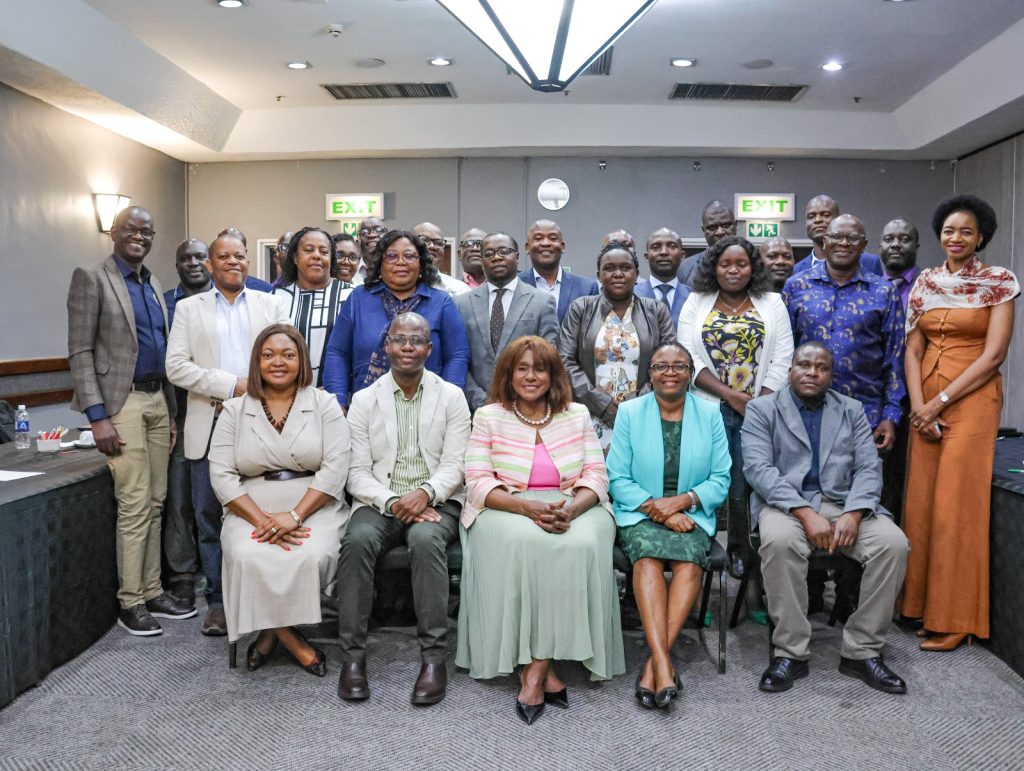
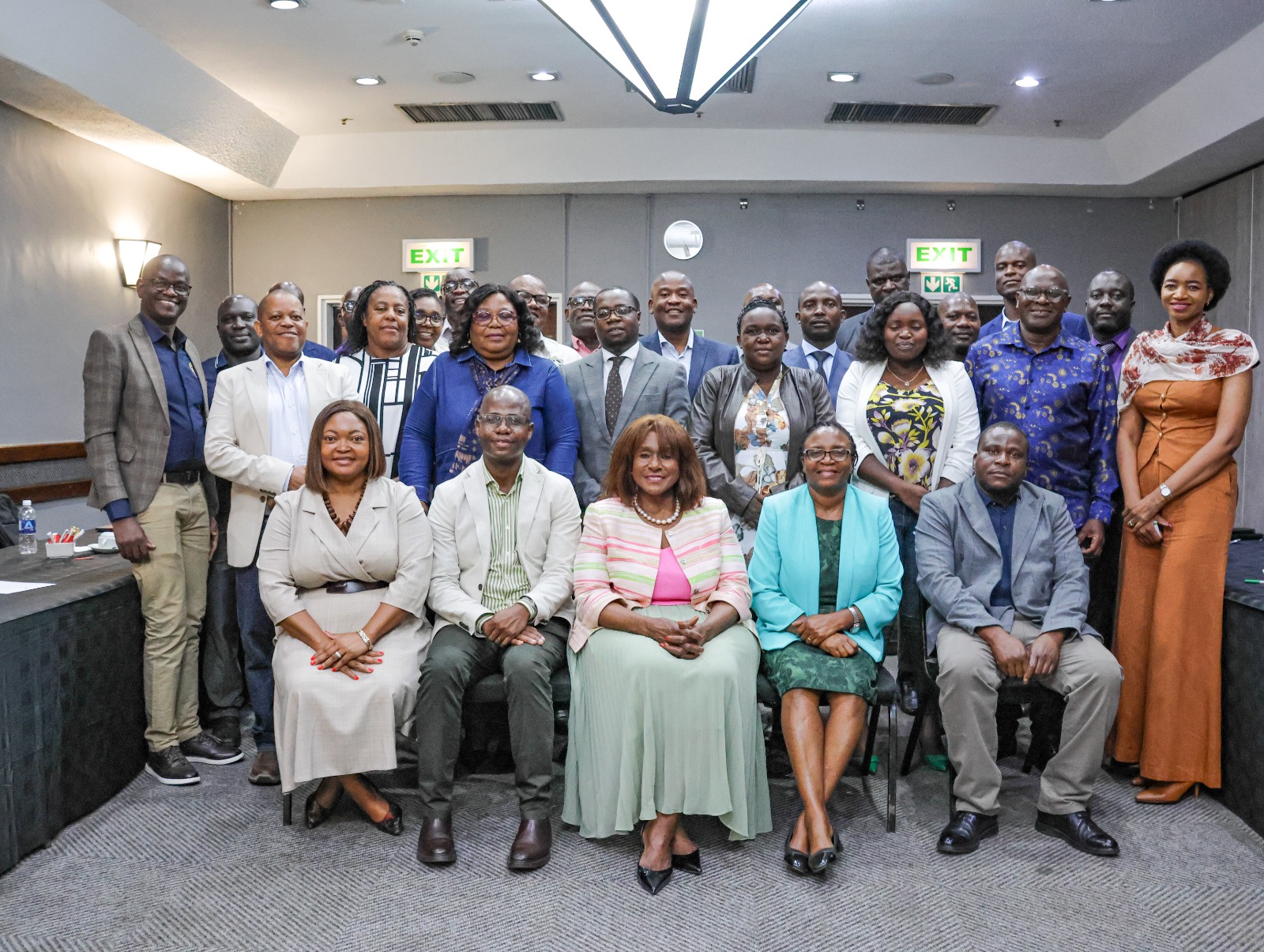
The Insurance and Pensions Commission (IPEC), the Ministry of Finance, Economic Development and Investment Promotion, and the insurance sector convened a high-level stakeholder consultative meeting in Harare today to deliberate on the importance of insurance of public assets, an initiative anchored in the National Development Strategy 2 (2026–2030).
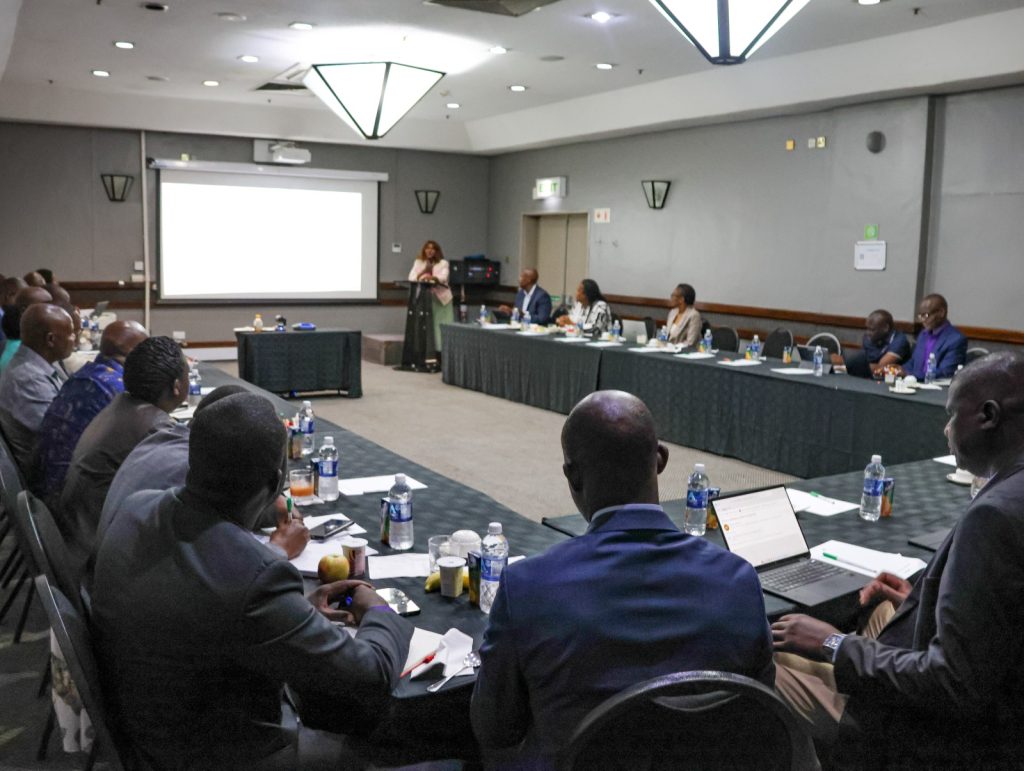
The meeting underscored the growing recognition that protecting public assets through insurance is a critical component of fiscal sustainability, risk management, and national resilience.
In her welcome remarks, IPEC Commissioner, Dr Grace Muradzikwa emphasised that the insurance of public assets is a matter of national interest, noting that effective insurance coverage helps shield Treasury from unexpected fiscal shocks when disasters and other insurable events occur.
“When public assets are insured, it is the insurer that compensates for losses arising from insured events, rather than Government having to divert scarce public resources for repairs and replacement,” Dr Muradzikwa said.

She added that Zimbabwe has made significant investments in public infrastructure and institutions which, without structured insurance protection, remain exposed to risks that could undermine development gains and exert pressure on public finances.
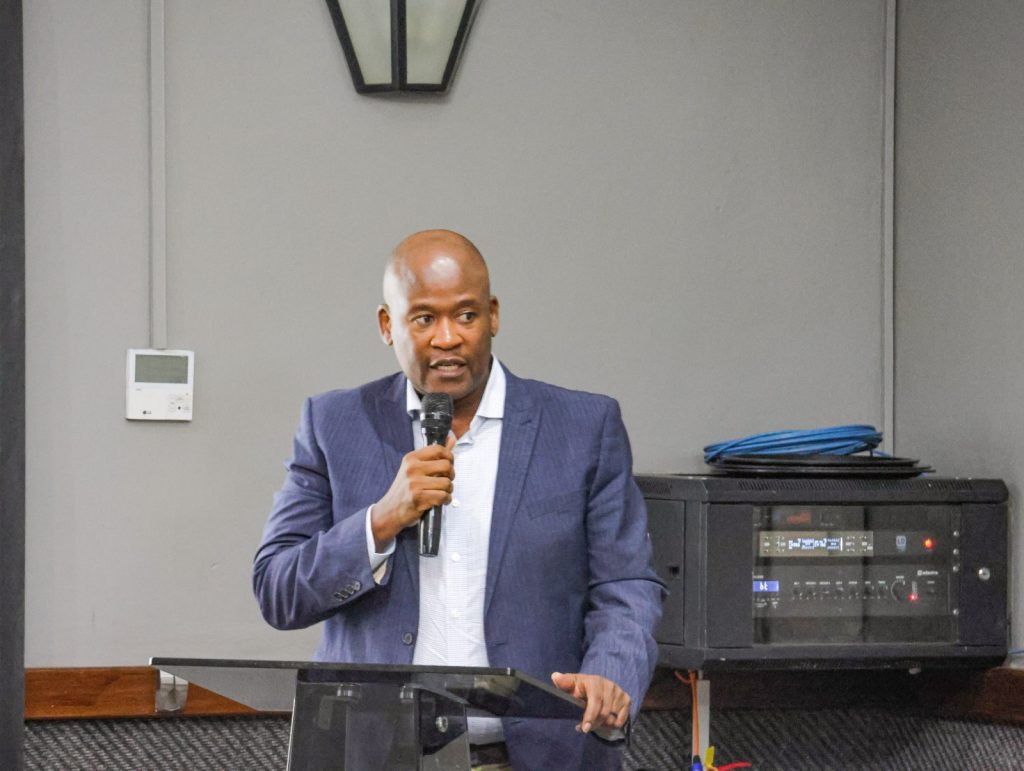
In his presentation, Mr Brian Chirema, Chairperson of the Insurance Council of Zimbabwe (ICZ)’s Technical Committee, shared case studies from various jurisdictions where governments suffered significant losses from catastrophes due to the absence of insurance coverage.
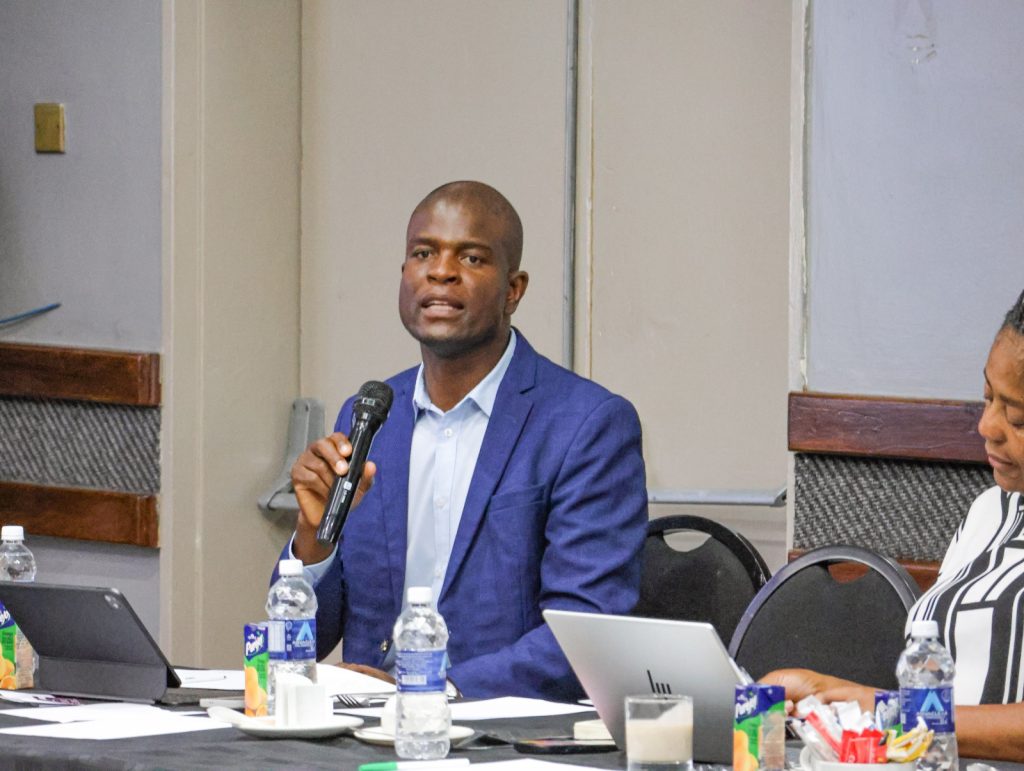
Mr Chirema highlighted that the economic cost of not insuring public assets is often far greater than the cost of paying insurance premiums, as uninsured losses frequently result in long-term fiscal strain.
Adding a regional perspective, ZEP-RE Actuarial and Insurance Lead for DRIVE and Public Sector & Inclusive Solutions, Ms Gloria Karissa indicated that several countries across the continent already insure public assets, a practice that has significantly reduced the financial burden on governments in the aftermath of disasters and major losses.
Chief Accountant in the Accountant General’s Department of the Ministry of Finance, Mr Wellington Havadi acknowledged the importance of insurance as a risk transfer mechanism for Government.

“Repairs and maintenance costs following damage to public assets are often very high for Government compared to insurance costs,” said Mr Havadi.
He cited the financial impact of Cyclone Idai in Chimanimani in 2019 as an example of the fiscal pressure Government can face in the absence of insurance coverage. Mr Havadi pledged Government’s commitment to carefully consider the various options presented by the insurance sector on how best to structure an effective public asset insurance framework.
The consultative meeting forms part of broader efforts to operationalise provisions of the National Development Strategy 2, by strengthening collaboration between Government, regulators and the insurance sector. Stakeholders agreed that a coordinated national approach to insuring public assets would enhance fiscal resilience, protect national investments, and contribute to sustainable economic development.
The meeting further resolved to establish a multi-stakeholder working group comprising IPEC, the Ministry of Finance, and the insurance sector to drive the implementation of public asset insurance in line with the provisions of NDS 2.